All the more reason to write. April Dávila's masterclass is today.
I believe in reading. From a variety of sources. Fiction. Non-fiction. Memoir. Newspapers. Quality journalism. Occasionally poetry. In French, in English. The odd time in Italian.
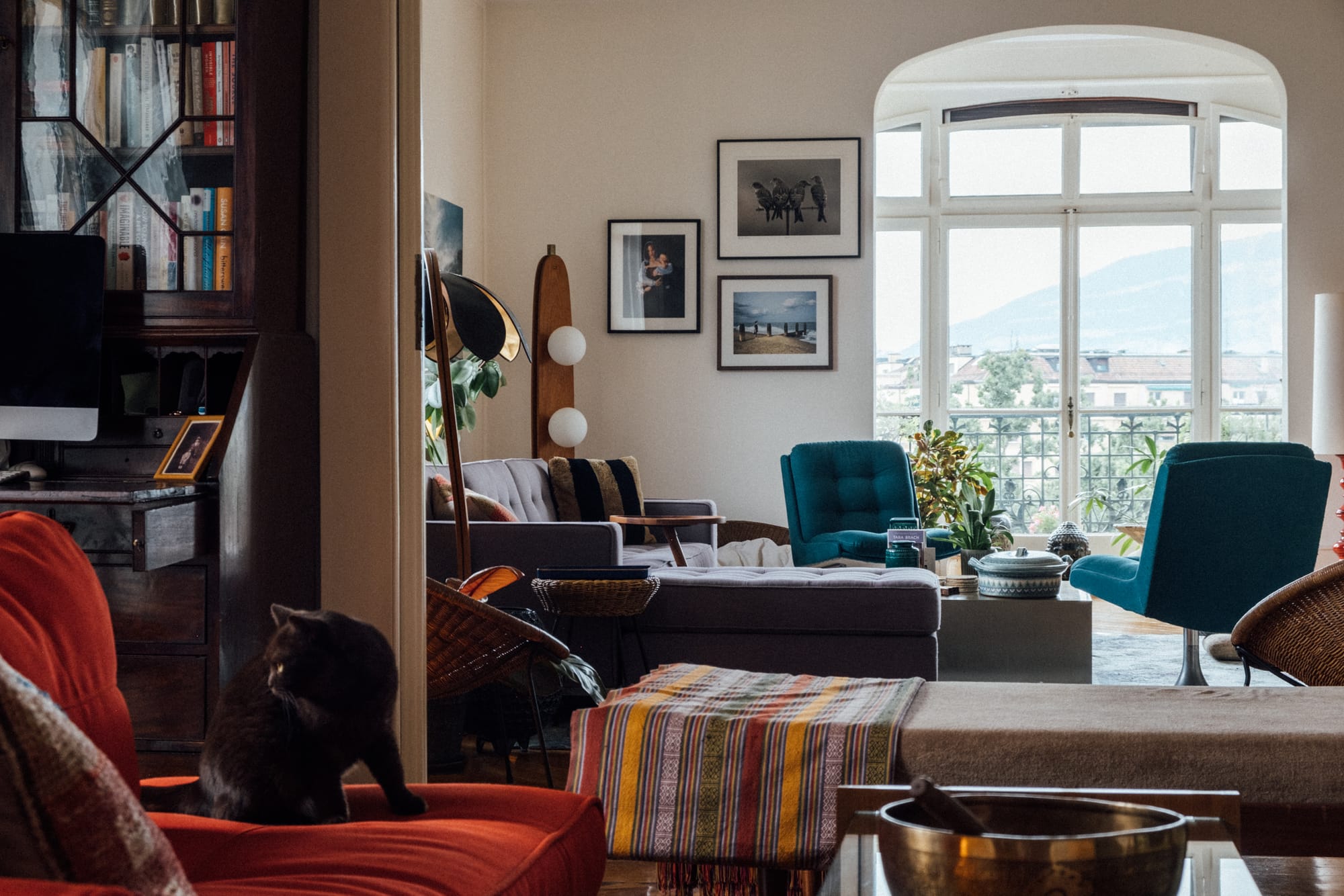
In my family growing up, reading was sacred. My father's imposing vintage desk was designed with built-in bookshelves. I kept many of his books, though not all of them.
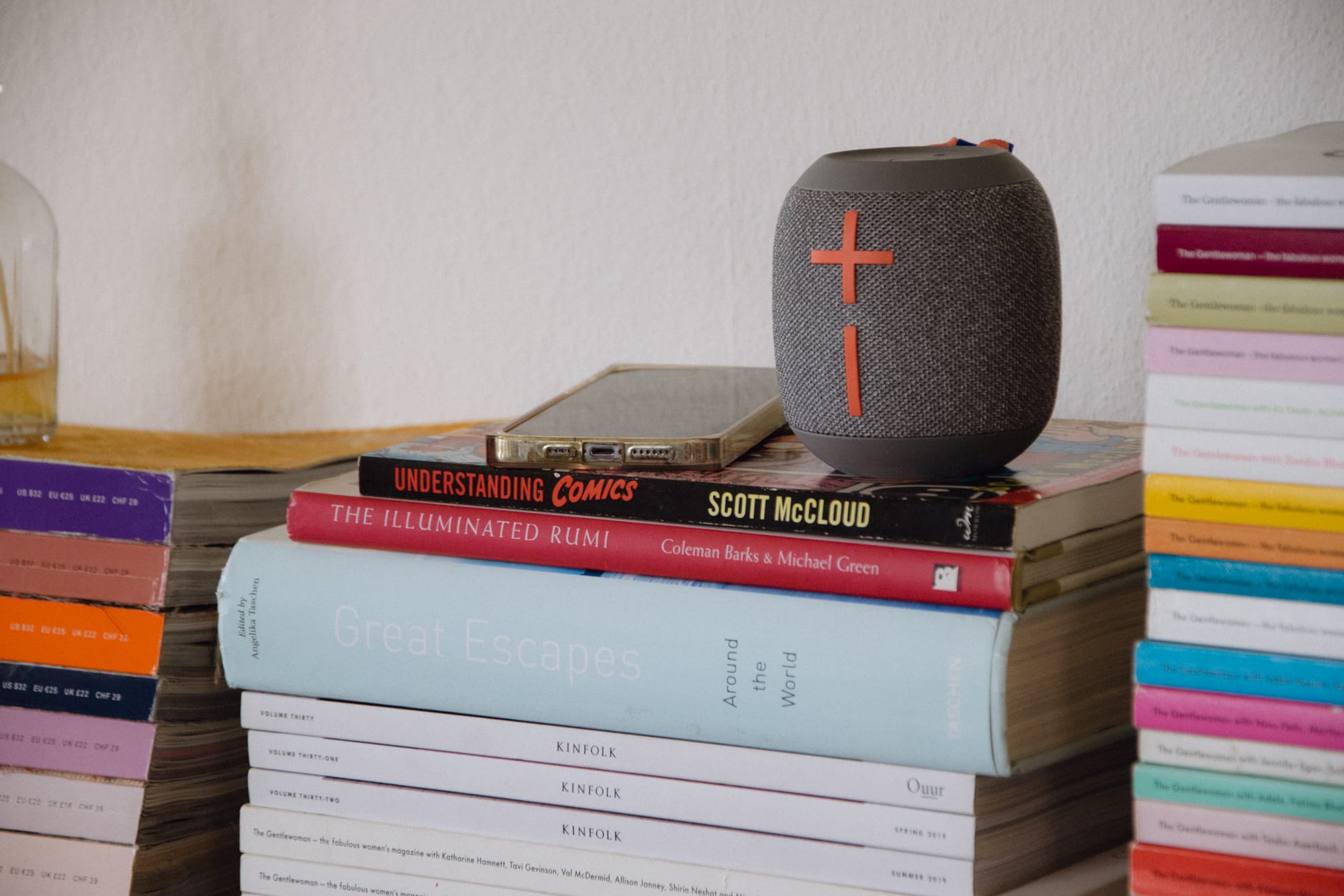
My father read literature, mostly. My mother, general fiction, and she loved a thriller. There were always a handful of titles piled up on her nightstand.
My father's OBGYN practice subscribed to the weeklies: Newsweek, Time, Le Nouvel Observateur, and French Elle (then the brainiest and most feminist of the women's glossies). He brought them home after each new edition arrived. I couldn't tell you how old I was when I first started reading them.
Did my parents ever say out loud that people who read are people who form their own opinions? Hard to tell. The subtext existed in any case, on display in most rooms of the house.
(My younger brother, I should say, didn't take to the sacred books at all. He loved comics, and later found his way to science fiction, his kind of reading just wasn't on our shelves. A lesson in itself.)
And here's the strange thing about this moment: books have never been more fashionable, or less read.

From Miu Miu's Literary Club, to brands like Balenciaga and Yahoo sponsoring Substack writers, to Dua Lipa curating London's Literature Festival at the Southbank Centre this October (in the UK's National Year of Reading, no less), books are the trend.
And yet, according to The Atlantic, we are moving toward a postliterate society. I don't think the journalist who deep-dived to write that piece is wrong.
But I'm worried about who we are going to be if we stop reading. And writing.
Just as The Atlantic declares America postliterate, I released a new episode of The Mettā Interview with novelist and writing coach April Dávila , whose first non-fiction book, Sit Write Here, 6 Mindfulness Practices to Write More and Suffer Less, is just out with St. Martin's Press.
The big question she brought to our conversation: what is the value of narrative, of story, in our society?
Her answers are compelling. And yes, of course, worth a listen.
Perhaps what surprises me most about where we are is not that writing is receding (our phones are TVs in our pockets, after all).
What worries me is that we don't seem to notice the importance of books, of narrative, in helping us make meaning of our lives, and in supporting each other through both the smooth and the rough waters.
Which is why today, of all days, I'm glad to be hosting novelist April Dávila at Le Trente.
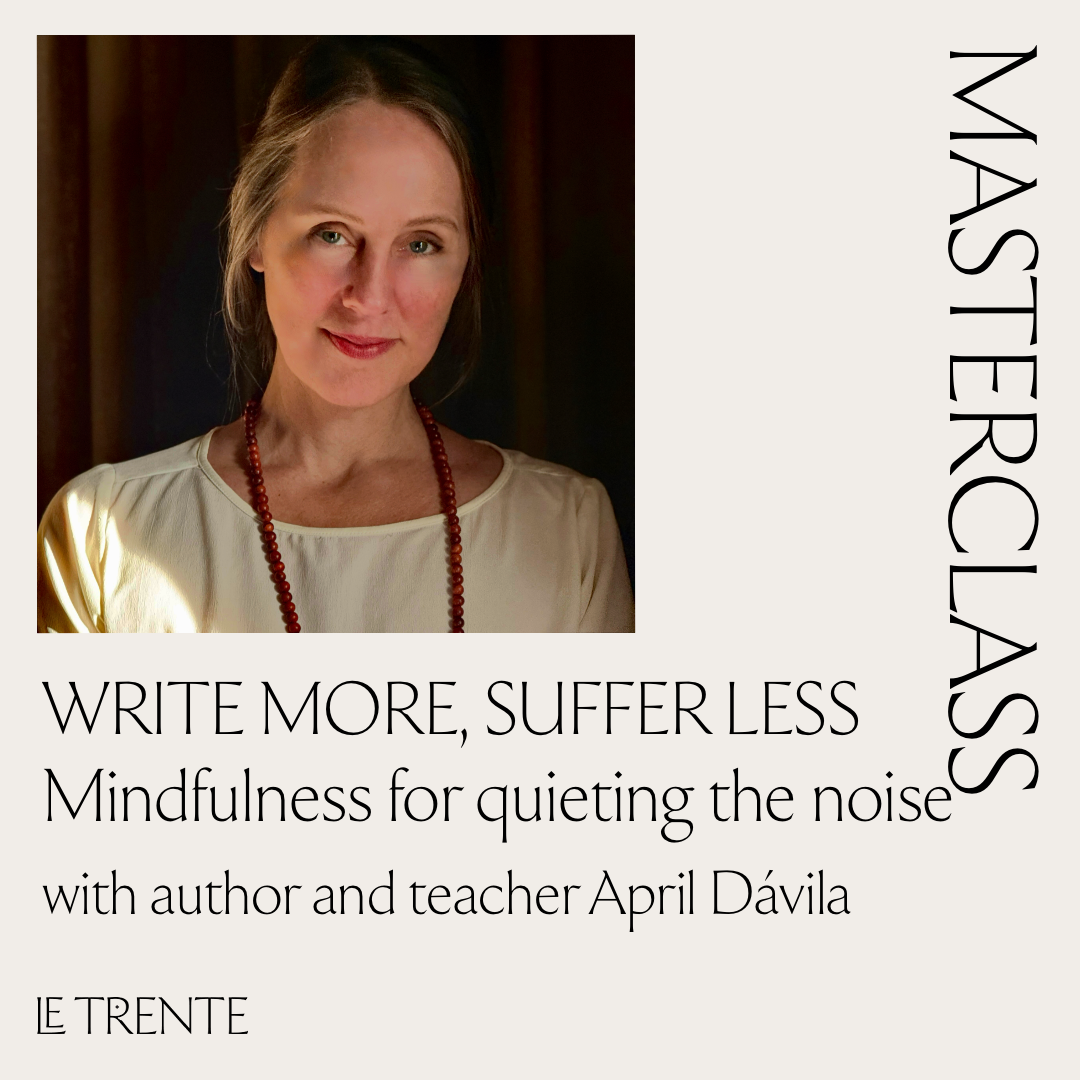
Later today (5:45pm CEST / 11:45am ET / 8:45am PDT), she's teaching Write More, Suffer Less, live on Zoom: 75 minutes on using mindfulness to work with your mind instead of against it, so the words actually come.
You don't need to call yourself a writer to join. If writing is how you connect with people (and for most of us, it is), this is for you. No meditation experience required.
Pay what you can, from $1. And if you can't make it live, register anyway: I'll share the recording the following day.
Register here.
(The essay emanated from, Who Do We Become If We Don't Read (or Write)?, which lives here in case you missed it.)
The Mettā View
Join my newsletter, the Mettā View, about story, practice, and the work of becoming the brightest version of yourself.